PRODUCT Design
Case Study
KNOWLEDGE HUB
SOUTH FEMINIST FUTURES
The Challenge:Design a first-of-its-kind regional hub for feminist collectives across the Global South. The core challenge was balancing scalability, usability, and community contribution: structuring thousands of resources into a coherent, navigable system while enabling users to add and share content safely, ensuring early design decisions would support growth and iteration over the next five years.
My Role: Lead Product Designer & UX Strategist. Owned the full-cycle UX, product strategy, and content. A critical part of my work was defining the information architecture, discovery flows, and contribution system, ensuring the platform could scale while remaining accessible, trustworthy, and usable for a diverse global community.
Extended Team:
- Developer – PM – Stakeholders
KEY PRODUCT DECISIONS
This project was a foundational design and build initiative. The Knowledge Hub aimed to centralize thousands of resources from feminist collectives across the Global South into a scalable, navigable, and contributive platform. We were was tasked with designing and building this first-of-its-kind digital ecosystem from the ground up.
This project followed a strategic, stakeholder-centered design process:
MVP & Iterative Growth:
Defined a minimal viable foundation to launch quickly while anticipating five-year growth, balancing usability and scalability. Prioritized core discovery and contribution flows before expanding features.
Information Architecture & Sectioning:
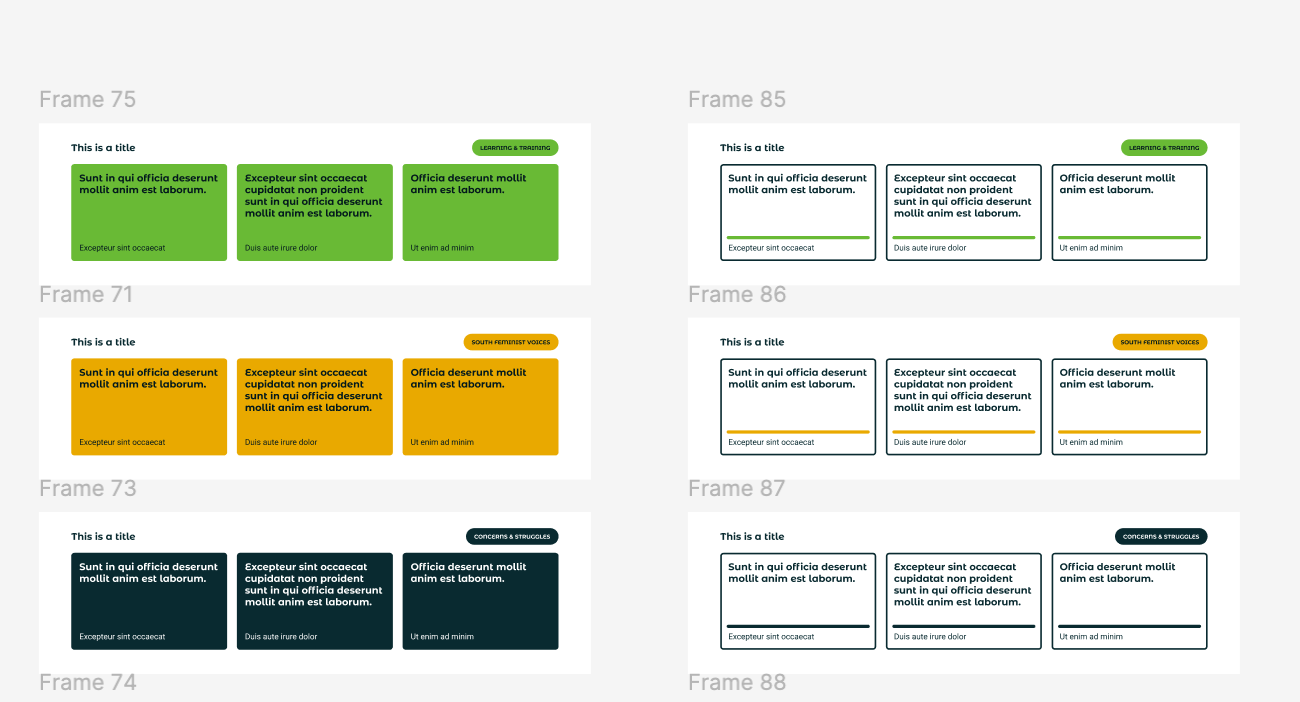
Structured thousands of resources into clear sections and filters, ensuring easy exploration and searchability, while accommodating future expansions like reading lists and new collections.
Content Contribution System:
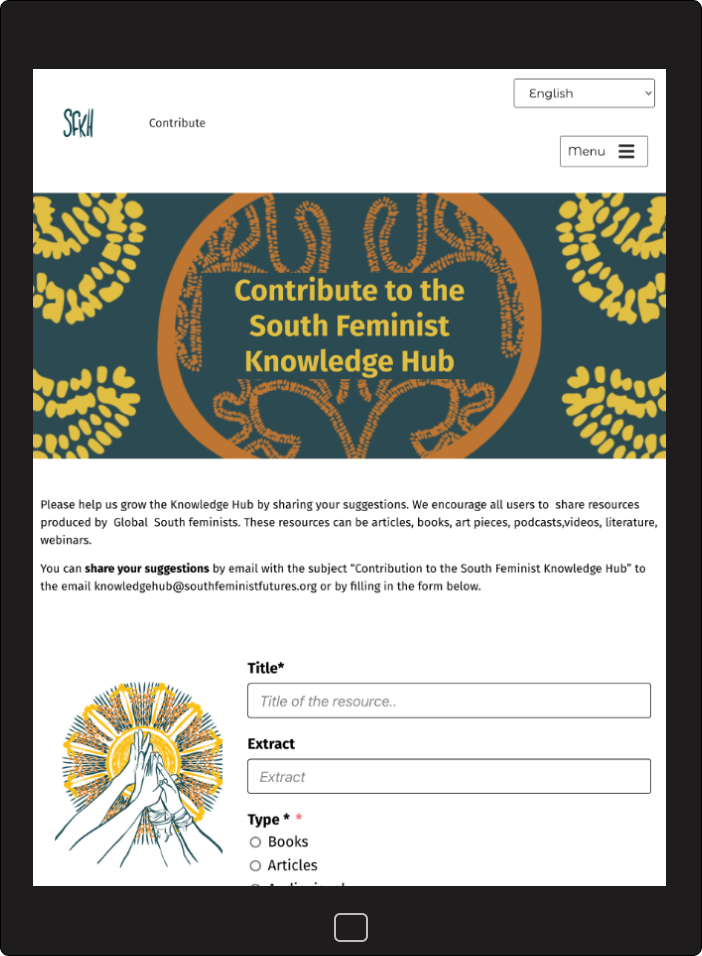
Designed the workflow for users to add, categorize, and share resources safely, integrating validation and metadata requirements without creating friction for contributors.
UI & Interaction Design:
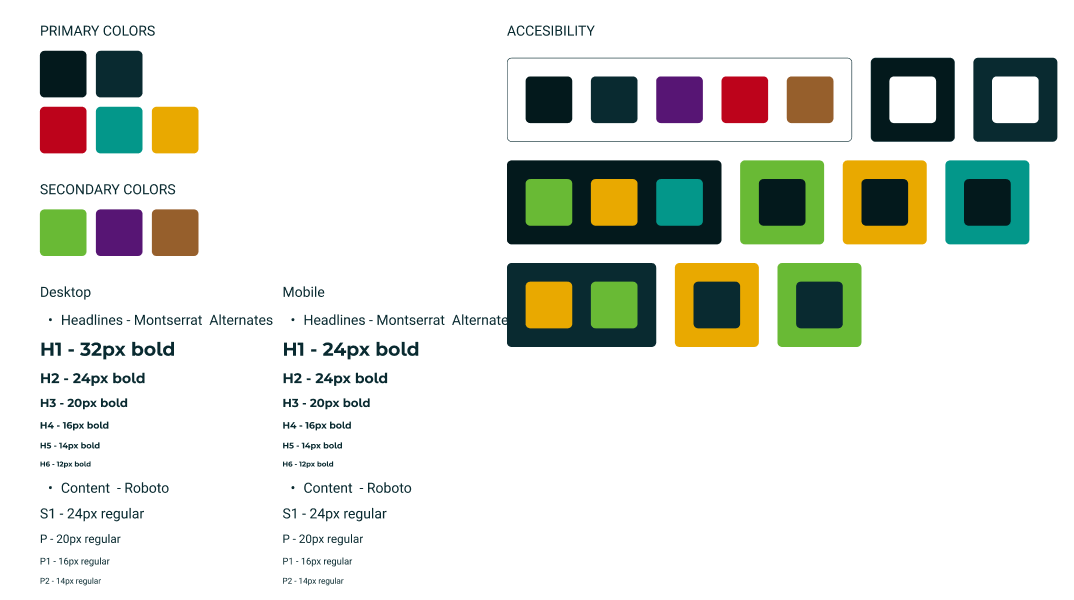
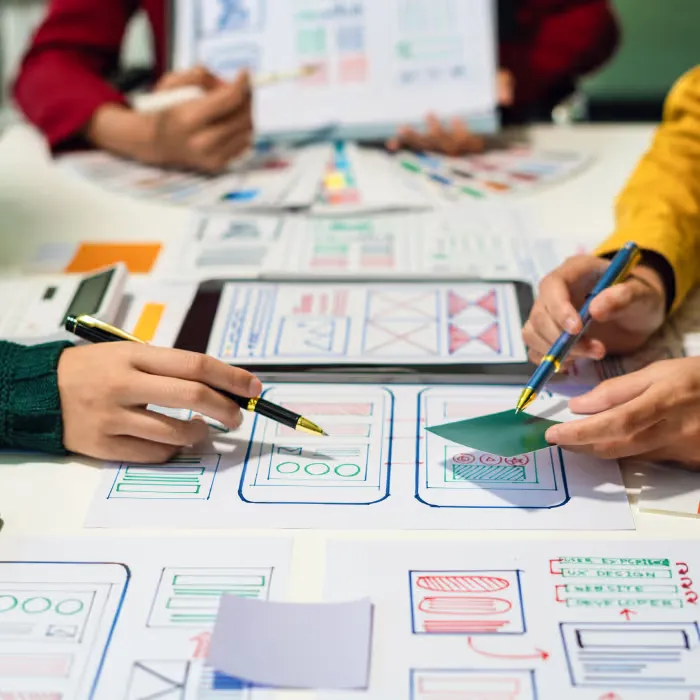
Iterated wireframes and high-fidelity UI to balance clarity, accessibility, and engagement, supporting both passive exploration and active contribution across a diverse global audience.
Product Features
Instead of overwhelming users with complex structures, the experience allows users to freely explore resources and contributor content. Authentication is required only for submitting resources or accessing premium collections, balancing openness with trust and quality control
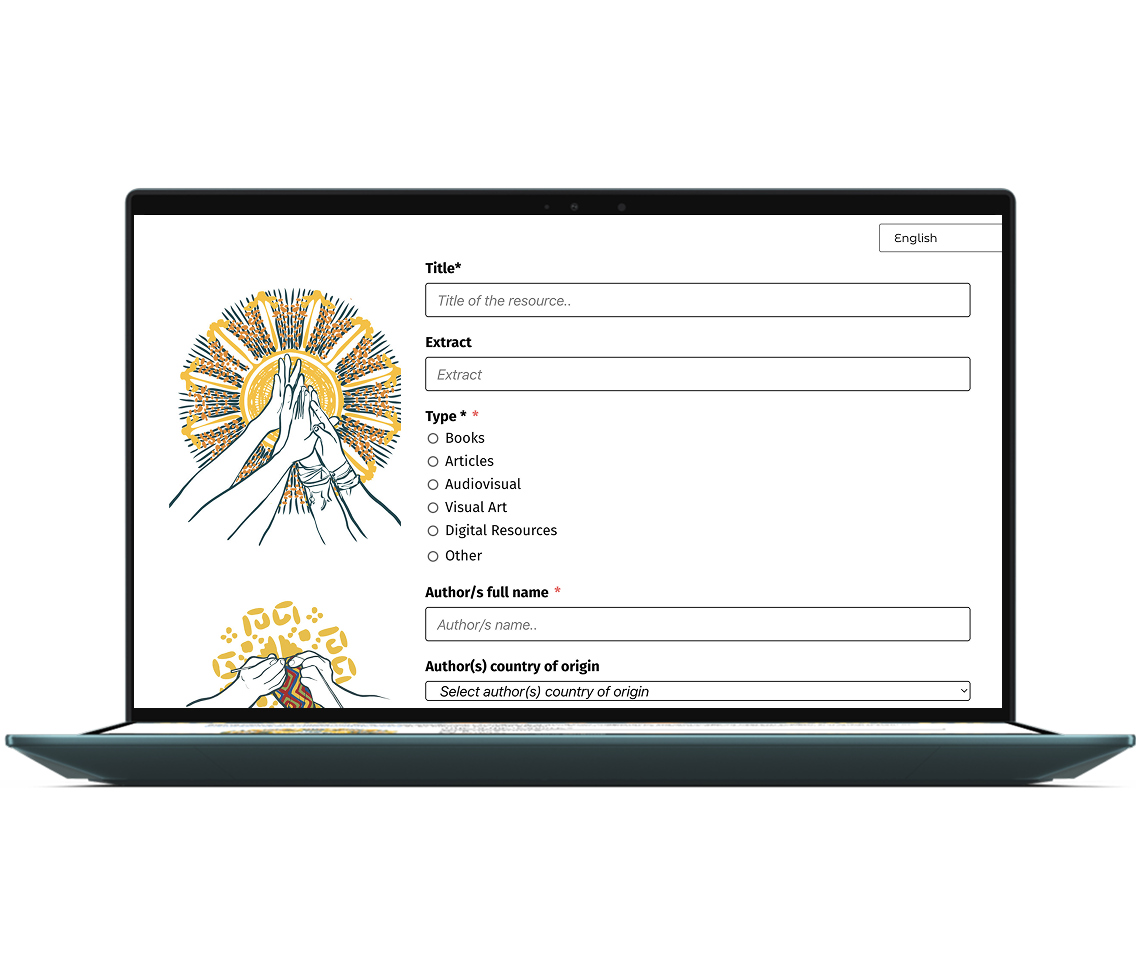
Contribution features gated to ensure quality while encouraging community growth
Unified flow integrating resource browsing, author profiles, and reading lists
Open exploration across resources and contributed content without login
Structured discovery with clear sections and filters to support diverse learning paths
Contextual prompts for login or contribution, encouraging engagement without blocking exploration
CORE CONTRIBUTIONS
Product Strategy & Architecture:
Defined MVP scope and long-term scalable structure for thousands of resources, balancing usability, contribution workflows, and growth.
Community & Discovery Flows:
Designed end-to-end contribution and exploration processes, enabling safe, intuitive user submissions while supporting search and navigation.Designed the scalable information architecture and user flows for a multi-role platform. Architected the profile system and permissions to serve diverse user journeys within a single, coherent experience.
UX & Cross-Functional Leadership:
Led interface design and coordinated with developers and stakeholders to translate strategic decisions into a functional, accessible platform.
Across the Global South, feminist collectives were generating thousands of valuable resources—but there was no unified space to discover, share, and connect this knowledge. The challenge wasn’t just to organize content, but to design a platform that could scale, remain open, and empower users to contribute and collaborate confidently.
Our mission: design and architect that hub
The Insight That Changed Everything
Early conversations focused on organizing content and adding features. The turning point came when we reframed the problem: this wasn’t a content challenge, but a trust and scalability problem. With thousands of resources and an open contribution model, the system had to work even when contributors, topics, and use cases were unknown in advance.
The real insight was that structure is the product. If information architecture, metadata, and contribution flows weren’t designed correctly from day one, no amount of content would make the platform usable or sustainable
Our pivotal realization: openness without structure creates noise, not access. We shifted from debating content volume and features to designing for clarity, trust, and future scale, focusing on three key decisions:
A system-first foundation where information architecture and metadata defined how knowledge could grow without fragmenting.
Contribution flows designed as guardrails, enabling open participation while preserving consistency, quality, and trust.
A calm, utilitarian UI system that prioritized orientation and legibility over visual expression, keeping focus on content rather than interface.
Why This Design Matters
Designing an open, contributive knowledge hub required deliberate product judgment. Every decision—architecture, contribution rules, and UI clarity—was a trade-off between openness, trust, and long-term scalability. Designing the structure first ensured the platform could grow organically without losing usability, coherence, or collective ownership.
Reduced entry friction: resources are openly accessible, allowing exploration before contribution or commitment.
Balanced openness with governance: contribution flows and authentication act as guardrails to protect quality and trust without closing the system.
Designed for sustainable learning: information architecture and labeling prevent content overload, enabling equitable access as the library scales.
Other Recent Works